
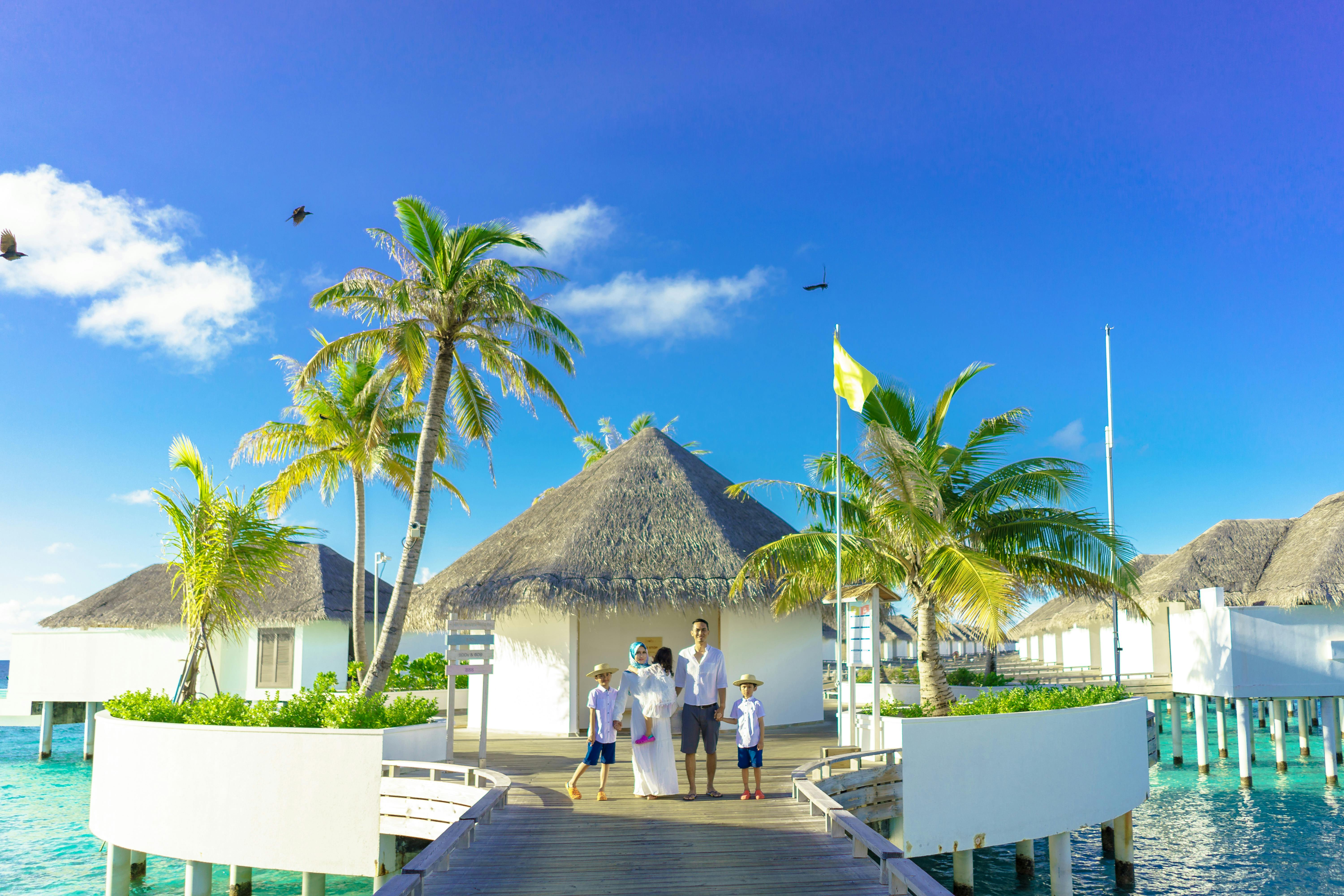
In 2026, luxury travel is redefined by sustainability. Discover the top eco-luxury resorts offering unparalleled experiences without compromising the planet. From carbon-neutral Polynesian havens to regenerative desert escapes, we unveil the best sustainable resorts for conscious travelers seeking ethical, opulent getaways. Optimize your next booking with our expert comparison and money-generating insights into green hotels and responsible tourism.
Introduction to the Topic
Welcome to 2026, where the discerning traveler no longer chooses between luxury and responsibility. The era of 'sustainable indulgence' has fully arrived, transforming the landscape of high-end hospitality. Once a niche concept, eco-luxury resorts are now leading the charge in redefining what it means to travel well – offering unparalleled comfort, bespoke services, and breathtaking environments, all while championing environmental stewardship and community upliftment. Forget greenwashing; today's top sustainable luxury resorts are setting gold standards, integrating cutting-edge green technologies, regenerative practices, and deep cultural connections into every aspect of their guest experience.
At travelwithstyles.com, we understand that our readers seek not just a destination, but a transformative journey. In this comprehensive guide, we'll dive deep into the world of sustainable luxury, showcasing properties that don't just minimize their footprint but actively contribute to the regeneration of their surrounding ecosystems and local communities. If you're planning your next opulent escape and want to ensure your investment supports a healthier planet, read on. We've curated a list of the most sought-after sustainable luxury resorts for 2026, designed to inspire your purchasing intent and guide you towards truly meaningful travel.
Backgrounds & Facts
The journey towards sustainable luxury has been a rapid one. What began as a nascent movement in the early 2010s has, by 2026, become a fundamental expectation for a growing segment of affluent travelers. Global awareness of climate change, biodiversity loss, and social inequality has spurred a significant shift in consumer values. Travelers are increasingly seeking transparency, authenticity, and a tangible positive impact from their vacation choices. This isn't just a trend; it's a paradigm shift driven by evolving demographics and a collective desire for ethical consumption.
Key facts underpinning this movement include:
- Rising Demand: Studies indicate that over 80% of luxury travelers in 2025 expressed a willingness to pay more for sustainable options, a figure projected to climb further in 2026.
- Technological Advancements: Innovations in renewable energy (solar, geothermal, wave power), advanced waste-to-energy systems, smart building management, and AI-driven resource optimization have made true carbon-neutral or even carbon-positive operations feasible for resorts.
- Certification & Accreditation: Reputable third-party certifications like LEED, Green Globe, EarthCheck, and the newly prominent Regenerative Travel certification provide crucial benchmarks, helping travelers identify genuinely sustainable properties beyond mere marketing claims.
- Regenerative Tourism: Beyond 'eco-friendly,' the focus has shifted to 'regenerative' practices – actively restoring and enhancing ecosystems, empowering local economies, and preserving cultural heritage, rather than just minimizing harm.
- Local Sourcing & Community Engagement: The best resorts now boast hyper-local supply chains for food, amenities, and staffing, creating direct economic benefits and fostering authentic cultural exchange.
For the modern luxury traveler, sustainability is no longer an afterthought; it's an integral part of the value proposition. It signifies a deeper, more enriching experience – one where indulgence aligns seamlessly with integrity.
Expert Opinion / Analysis
We sat down with Dr. Anya Sharma, a leading travel futurist and sustainability consultant, to gain her insights into the 2026 eco-luxury landscape. "The biggest change we've seen isn't just in the resorts themselves, but in the traveler's mindset," Dr. Sharma explains. "Guests are more informed than ever. They're asking tough questions about energy sources, water management, waste protocols, and how their tourism dollars directly benefit local communities. They want to connect with purpose."
According to Dr. Sharma, the 'wow' factor in 2026 is no longer solely about infinity pools and Michelin-starred dining, but also about the resort's commitment to its environment and people. "Properties that can transparently demonstrate their regenerative practices – whether it's coral reef restoration programs, indigenous cultural preservation initiatives, or zero-waste circular economies – are the ones truly capturing the market. It's about 'conscious luxury' where every element of your stay contributes positively."
She also highlights the role of personalized experiences. "AI-driven personalization isn't just recommending activities; it's tailoring sustainable choices to individual guest preferences. Imagine an app that suggests a local artisan workshop based on your interest in ethical crafts, or a farm-to-table dining experience featuring produce grown just miles from your villa, with verifiable impact data at your fingertips."
For travelers looking to book, Dr. Sharma advises, "Look beyond the beautiful photos. Investigate their certifications, read their sustainability reports, and see how they engage with local communities. True luxury in 2026 is about peace of mind, knowing your extraordinary vacation is also a force for good."
💰 Best Options in Comparison (VERY IMPORTANT)
To help you navigate the burgeoning world of sustainable luxury, we've identified three standout resorts that exemplify the best of eco-conscious opulence in 2026. Each offers a unique blend of luxury, environmental responsibility, and unforgettable experiences, making them prime choices for your next ethical escape.
-
The Brando, Tetiaroa, French Polynesia
Often hailed as the pioneer of true carbon-neutral luxury, The Brando continues to lead the pack in 2026. Located on a pristine private island, this all-inclusive resort operates almost entirely on renewable energy, primarily through its innovative seawater air-conditioning (SWAC) system and solar power. Guests can participate in marine research programs, visit the eco-station, and learn about the island's incredible biodiversity. The villas are constructed from local, sustainable materials, and the culinary experience emphasizes organic produce from the island's own gardens. It's an unparalleled escape where luxury meets genuine environmental protection, offering deep relaxation with a clear conscience. Prices typically start from $4,000 per night.
-
Soneva Kiri, Koh Kood, Thailand
Soneva Kiri embodies 'Intelligent Luxury' with its unwavering commitment to 'Slow Life' principles: Sustainable, Local, Organic, Wellness, Learning, Inspiring, Fun, Experiences. By 2026, Soneva has further enhanced its pioneering 'Waste-to-Wealth' program, recycling or upcycling nearly 90% of its waste, including producing bio-char and organic fertilizer for its extensive gardens. Guests are encouraged to disconnect (no news, no shoes) and reconnect with nature through unique experiences like 'treepod dining' and exploring pristine rainforests. The resort's design blends seamlessly with the natural environment, utilizing sustainable timber and local craftsmanship. Expect personalized service, exceptional dining, and a deep connection to the Thai culture and landscape. Rates start from approximately $1,800 per night.
-
Habitas AlUla, AlUla, Saudi Arabia
Representing a new frontier in sustainable luxury, Habitas AlUla, nestled within the ancient desert landscapes of Saudi Arabia, offers a truly regenerative experience for 2026. This resort is built on a 'minimal intervention, maximum impact' philosophy, with modular, tent-like villas that respect the natural topography and can be removed without leaving a trace. Their focus is on cultural immersion, wellness, and preserving the historical and ecological integrity of AlUla. The resort sources locally, employs Bedouin communities, and offers experiences that connect guests with the region's rich heritage and stunning natural beauty. It's a testament to how luxury can emerge sustainably even in challenging environments, fostering deep respect for land and culture. Prices typically begin around $800 per night.
To provide a clearer overview, here's a comparison table:
| Feature | The Brando | Soneva Kiri | Habitas AlUla |
|---|---|---|---|
| Location | Tetiaroa, French Polynesia | Koh Kood, Thailand | AlUla, Saudi Arabia |
| Key Sustainability Focus | Carbon-neutral, SWAC, marine conservation | Waste-to-Wealth, local sourcing, 'Slow Life' | Minimal intervention, cultural preservation, modular design |
| Unique Experience | Private island eco-station, luxury research | Treepod dining, 'no news no shoes', rainforest exploration | Ancient desert immersion, wellness, cultural workshops |
| Average Nightly Rate (2026 Est.) | From $4,000+ | From $1,800+ | From $800+ |
| Ideal For | Ultimate private eco-luxury, marine enthusiasts | Holistic wellness, family eco-adventures | Cultural explorers, desert wellness, mindful travelers |
Outlook & Trends
The future of sustainable luxury travel in 2026 and beyond is incredibly exciting. We anticipate several key trends shaping the industry:
- Hyper-Personalized Impact Journeys: AI and blockchain technology will enable travelers to track the exact impact of their stay, from carbon offsets to community investments, offering unprecedented transparency and customization of their 'giving back' experience.
- Regenerative Wellness: Resorts will increasingly integrate wellness programs that not only rejuvenate guests but also actively contribute to the regeneration of local ecosystems, such as forest bathing combined with tree planting or ocean meditation alongside coral restoration.
- Beyond Carbon Neutral: The new benchmark will be 'carbon positive' or 'climate positive,' where resorts actively remove more carbon from the atmosphere than they emit, becoming net contributors to environmental health.
- Circular Economy Resorts: Expect to see more resorts operating on fully closed-loop systems, where waste is entirely eliminated or repurposed, and resources are continually reused within the resort's ecosystem.
- Immersive Educational Experiences: Luxury will increasingly mean access to unique learning opportunities, from sustainable farming workshops to indigenous craft classes, fostering deeper connections and understanding.
These trends highlight a future where luxury travel is not just about personal indulgence, but also about collective well-being and a profound respect for our planet and its diverse cultures. The investment in these experiences pays dividends not only in unforgettable memories but also in a positive global impact.
Conclusion
In 2026, the choice to travel sustainably is no longer a compromise; it's an enhancement. The world's leading luxury resorts are proving that opulence and environmental responsibility can coexist beautifully, offering experiences that are both deeply indulgent and profoundly meaningful. From the pioneering carbon-neutrality of The Brando to Soneva Kiri's innovative waste management and Habitas AlUla's regenerative desert immersion, these properties are setting the standard for the future of travel.
By choosing one of these exceptional destinations, you're not just booking a vacation; you're investing in a better world, supporting local communities, and preserving our planet's most precious ecosystems. Your next luxury escape can be a powerful statement of intent, a journey that rejuvenates your spirit while leaving a positive footprint. Explore these incredible options, plan your ethical adventure, and experience the unparalleled joy of traveling with style and with purpose. The future of indulgence is here – and it's greener than ever. Book your sustainable luxury escape today and be part of the change!