
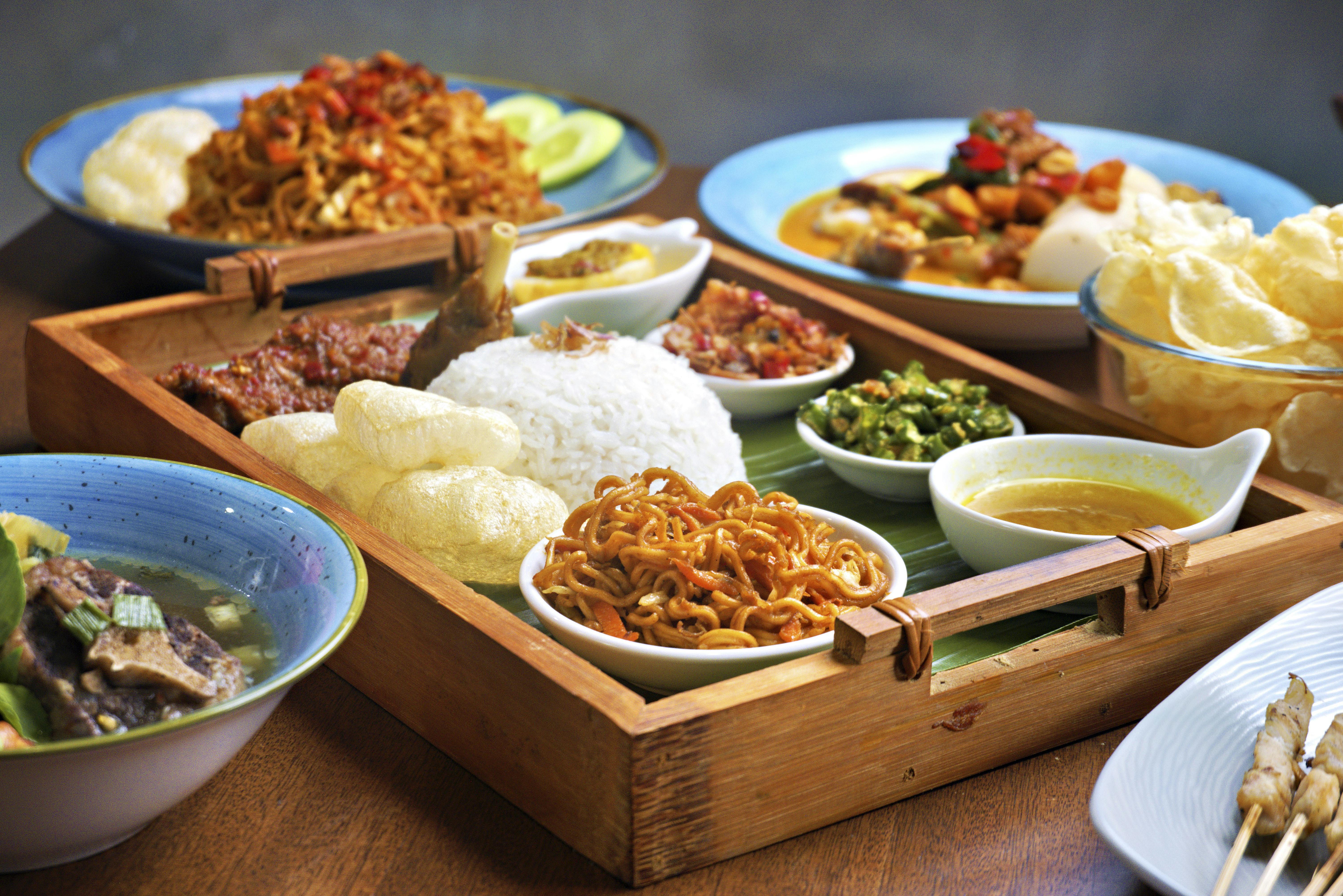
In 2026, the discerning traveler seeks more than just a meal; they crave an authentic journey into hyper-regional micro-cuisines. Discover the emerging culinary hotspots, compare exclusive food tours, and learn how to book unforgettable gastronomic experiences that promise unique flavors and deep cultural immersion. Optimize your next luxury food travel with our expert guide to trending destinations and sustainable dining.
Introduction to the Topic
The year is 2026, and the global palate has evolved beyond mere trends. We've savored molecular gastronomy, embraced plant-based revolutions, and explored fusion's endless possibilities. Now, the true connoisseur seeks something more profound, more intimate: the hyper-regional micro-cuisine. This isn't just about a country's national dish or a region's famous specialty; it's about the intricate culinary identity of a specific valley, a remote island, a single village, or even a distinct neighborhood within a city. These are the flavors born from unique terroir, ancient traditions, and generations of local wisdom, often preserved by small, passionate communities.
As the world re-opens and travelers prioritize authenticity and sustainability, the pursuit of these hidden gastronomic gems has become the ultimate luxury. Forget mass-produced tourist traps; 2026 is about diving deep into the soul of a place through its most specific, revered, and often rare culinary practices. At travelwithstyles.com, we believe this is where the real adventure begins – a journey not just for the stomach, but for the heart and mind. Are you ready to book your passage to the world's most exclusive dining tables and immersive cooking experiences?
Backgrounds & Facts
The rise of micro-cuisines in 2026 is a fascinating confluence of several factors. Post-pandemic travel has amplified a desire for meaningful, less-crowded experiences, pushing travelers away from well-trodden paths towards unique, localized encounters. Social media, paradoxically, plays a dual role: while it can homogenize trends, it also allows niche culinary stories to gain global traction, inspiring a new wave of food explorers.
What defines a micro-cuisine? It's characterized by its extremely localized ingredients, specific cooking techniques passed down through oral tradition, and a distinct cultural narrative. Think beyond 'Italian food' to the specific, centuries-old recipes of the Sila Mountains in Calabria, or 'Japanese cuisine' to the unique fermentation practices of Noto Peninsula's remote fishing villages. These aren't just dishes; they are living histories.
Economic Impact & Sustainability: This trend offers significant benefits to local economies. By directing tourist dollars to small-scale producers, family-run restaurants, and local guides, micro-cuisine tourism fosters sustainable development and preserves cultural heritage. Travelers are increasingly willing to pay a premium for ethically sourced ingredients and experiences that directly support the communities they visit. According to a 2025 report by the World Food Travel Association, culinary tourism is projected to account for nearly 25% of all international travel spending by 2030, with a significant portion shifting towards these highly specialized, authentic experiences.
Furthermore, chefs globally are leading the charge, rediscovering and championing these forgotten flavors. They're collaborating with local artisans, documenting ancient recipes, and creating innovative menus that pay homage to hyper-regional traditions, elevating them to fine-dining status while retaining their inherent authenticity.
Expert Opinion / Analysis
"The quest for micro-cuisines isn't just a trend; it's a paradigm shift in how we experience food and travel," states Dr. Anya Sharma, a renowned food anthropologist and author of 'The Palate's Atlas: Mapping Global Gastronomy.' "For decades, globalization pushed for standardization. Now, travelers are actively seeking out the anomalies, the exceptions, the flavors that cannot be replicated anywhere else on Earth. This desire for 'culinary scarcity' drives a premium market for highly specialized tours and experiences."
Dr. Sharma emphasizes the critical role of local guides and curated experiences. "Navigating the true micro-cuisine landscape requires insider knowledge. You can't just stumble upon an authentic 'Cacio e Uova' made with a specific shepherd's cheese from an obscure Abruzzese village, or participate in a traditional 'Kinilaw' preparation from a remote Philippine island, without local connections. This is why booking a specialized tour or engaging a local culinary expert is paramount. They unlock doors to kitchens and traditions that would otherwise remain hidden, ensuring both authenticity and respect for local customs."
The challenge, she notes, lies in balancing authenticity with accessibility. "As these micro-cuisines gain popularity, there's a delicate tightrope walk between sharing culture and over-commercialization. Responsible tourism operators are key here, ensuring benefits flow back to the community and traditions are preserved, not exploited." This underscores the importance of choosing reputable and ethically-minded tour providers when planning your micro-cuisine adventure.
💰 Best Options in Comparison (VERY IMPORTANT)
Embarking on a micro-cuisine journey requires careful planning to maximize authenticity and enjoyment. Here are the top ways to experience these unique culinary worlds, designed for different budgets and levels of immersion, along with considerations for booking your ultimate gastronomic escape.
- Luxury Guided Culinary Expeditions: For the traveler who desires ultimate convenience, bespoke experiences, and unparalleled access. These all-inclusive tours are meticulously curated by expert guides, often featuring private chef interactions, exclusive access to artisan producers, and stays in boutique accommodations. Think private truffle hunts in the Piedmont region of Italy, followed by a Michelin-starred meal using your fresh findings, or a week-long exploration of the ancient Ainu cuisine in Hokkaido, Japan, with indigenous elders.
- Boutique Local Homestay & Cooking Immersion: Ideal for those seeking deeper cultural immersion and hands-on learning. These experiences connect you directly with local families or small culinary schools in specific regions. Imagine learning to prepare traditional 'mole poblano' from a grandmother in Oaxaca, Mexico, or mastering the art of 'tagine' in a rural Berber village in Morocco. These often include market visits, ingredient sourcing, and shared meals, fostering genuine connections.
- Curated DIY Micro-Cuisine Exploration (with expert resources): For the independent adventurer who prefers flexibility but still wants authentic guidance. This option involves leveraging specialized online platforms, local food blogs, and bespoke itinerary services to plan your own journey. While requiring more self-organization, it allows for spontaneous discoveries. We recommend pre-booking specific dining experiences, local cooking classes, and securing hard-to-get restaurant reservations through trusted online concierge services.
To help you choose, here's a comparison table:
| Feature | Luxury Guided Expedition | Boutique Local Immersion | Curated DIY Exploration |
|---|---|---|---|
| Price Range (per person, per week) | $$$ (e.g., $5,000 - $15,000+) | $$ (e.g., $1,500 - $4,000) | $ (e.g., $700 - $2,500 + flights) |
| Immersion Level | High (curated access, expert insights) | Very High (hands-on, local connections) | Moderate to High (requires self-effort) |
| Convenience & Planning | Maximum (all details handled) | Moderate (some local coordination needed) | Requires significant self-planning |
| Target Traveler | Luxury seekers, time-sensitive, exclusive access | Cultural enthusiasts, hands-on learners, community-focused | Independent travelers, budget-conscious, flexible |
| Booking Ease | Easy (one operator, comprehensive package) | Moderate (via specialized platforms/agencies) | Complex (multiple individual bookings) |
| Recommended For | Hassle-free, top-tier gastronomic journeys. Explore Exclusive Packages | Authentic cultural exchange & cooking skills. Discover Immersion Programs | Flexible, personalized exploration with expert guidance. Get Custom Itinerary Resources |
Pro-Tip for Booking: Due to the exclusive and often small-scale nature of micro-cuisine experiences, availability can be limited. We strongly recommend booking your preferred tours, classes, and accommodations well in advance, especially for peak travel seasons. Consider travel insurance that specifically covers unique experiences and potential cancellations.
Outlook & Trends
Looking ahead to the late 2020s and beyond, the micro-cuisine movement is poised for even greater innovation and integration. We anticipate several key trends:
- Digital Gastronomy & AI-Powered Planning: Expect more sophisticated AI travel planners that can curate hyper-personalized micro-cuisine itineraries based on your dietary preferences, budget, and desired immersion level. Virtual Reality (VR) previews of culinary experiences will become standard, allowing you to 'taste' a destination before you book.
- Agri-Culinary Fusion: A deeper connection between farm and plate will emerge, with more micro-cuisine tours incorporating direct farm stays, foraging expeditions, and hands-on participation in agricultural processes. This strengthens the farm-to-table ethos and educates travelers on sustainable food systems.
- Indigenous Food Revival: A growing focus on the culinary traditions of indigenous communities worldwide, celebrating ancient ingredients, sustainable practices, and unique flavors that have been overlooked. This movement will be driven by ethical tourism and a desire to preserve endangered foodways.
- Personalized Culinary Education: Beyond single cooking classes, travelers will seek multi-day, specialized culinary 'academies' focusing on a particular micro-cuisine, complete with certifications and opportunities to master complex regional techniques.
- Sustainable Sourcing & Carbon-Neutral Travel: As awareness grows, micro-cuisine tours will increasingly highlight carbon-neutral travel options, local ingredient sourcing with minimal environmental impact, and support for communities practicing regenerative agriculture.
These trends suggest a future where culinary travel is not just about eating, but about learning, connecting, and contributing positively to the places we visit. The micro-cuisine journey is an investment in cultural understanding and a testament to the power of food to tell a story.
Conclusion
In 2026, the world's most exciting culinary adventures aren't found in global cities, but in the hidden valleys, coastal villages, and bustling micro-neighborhoods where authentic micro-cuisines thrive. These are experiences that transcend mere dining, offering a profound connection to culture, history, and community. Whether you opt for the unparalleled luxury of a guided expedition, the intimate warmth of a local immersion, or the freedom of a curated DIY journey, the opportunity to savor truly unique flavors awaits.
Don't just travel; taste the world's most guarded culinary secrets. The time to explore, learn, and indulge in these extraordinary gastronomic treasures is now. Visit travelwithstyles.com today to compare the best culinary tours, book your next adventure, and unlock an unforgettable journey into the heart of global gastronomy. Your palate, and your soul, will thank you.