
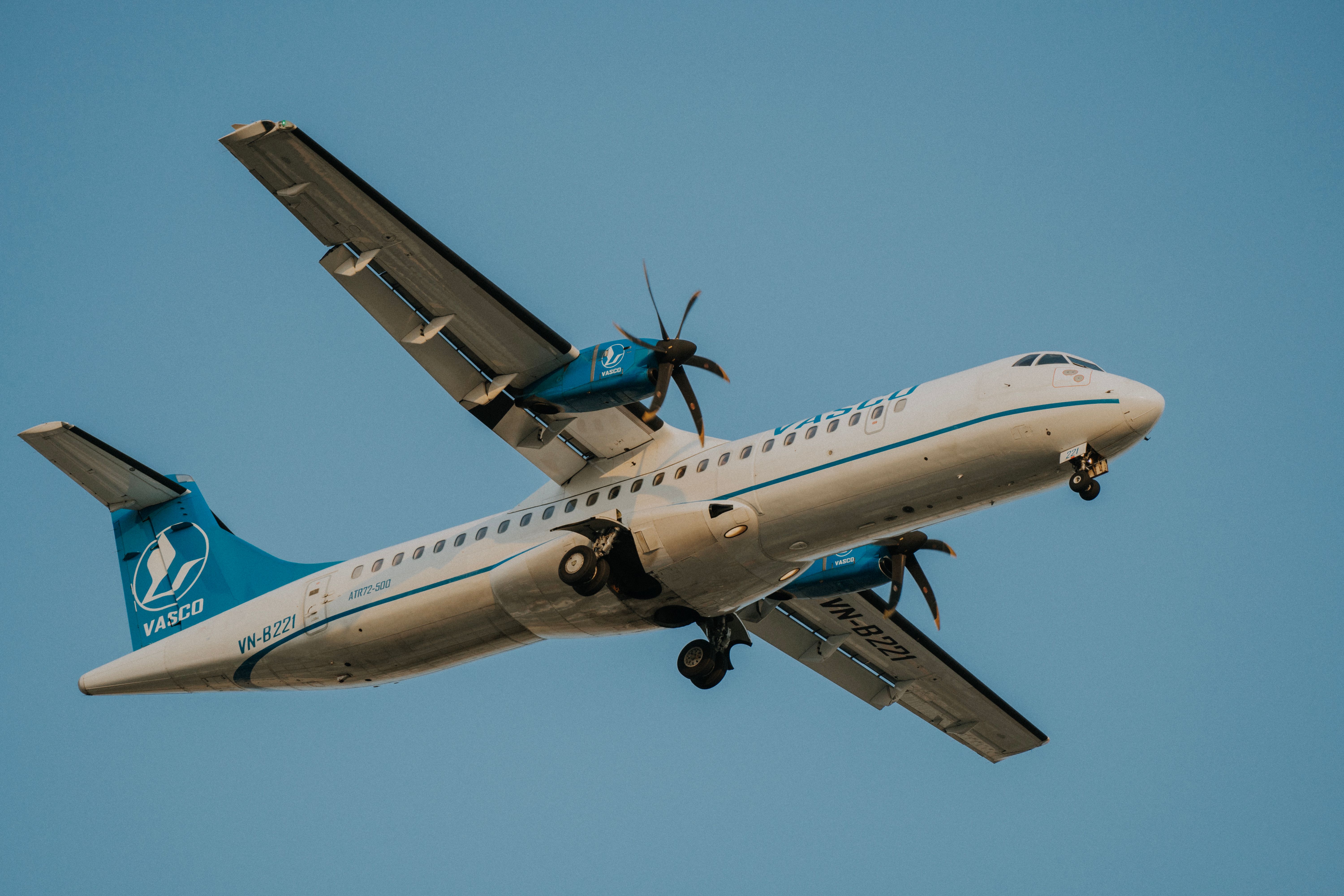
Airlines routinely sell a few more seats than an aircraft physically has. The practice is a forecast about who will not turn up, and it is calculated rather than careless.
Flexible tickets create predictable absence
Some fares allow a passenger to change or abandon a booking at short notice with little penalty. On routes dominated by those fares, a reliable share of booked passengers never appears at the gate.
If an airline sold exactly the number of seats it had, those flights would depart with empty rows that had been paid for but not flown. The revenue is real, the capacity is wasted.
Overbooking recovers that capacity. The airline sells into the gap it expects the no-shows to leave, so the aircraft departs closer to genuinely full.
The forecast is route-specific and historical
The number of extra seats sold is not a fixed percentage across an airline. It is estimated separately for each route, each day of the week, and often each departure time.
A morning business shuttle behaves nothing like a weekly holiday charter. One has heavy last-minute churn and high no-show rates; the other is booked months ahead by people who will certainly travel.
Forecasts also adjust for the booking mix on a specific flight. As departure nears and the proportion of non-refundable tickets rises, the expected number of absentees falls and the overbooking is trimmed.
Denied boarding has a defined process
When more passengers arrive than seats exist, airlines first ask for volunteers, offering compensation, a later flight and sometimes accommodation. Volunteering is a negotiated transaction rather than an inconvenience imposed at random.
If too few volunteers come forward, the airline selects passengers according to published criteria, typically involving fare type, loyalty status and check-in time. Those selected receive compensation set by regulation in many jurisdictions.
Because those rules differ by region and change over time, the entitlement attached to a particular journey depends on where it starts and which carrier operates it.
Compensation costs discipline the forecast
Overbooking is only profitable while the revenue from extra seats exceeds the cost of the occasional bumped passenger. Regulated compensation puts a real price on getting the estimate wrong.
Where that price is high, airlines forecast more conservatively and oversell less. Where it is low, the incentive runs the other way, which is why practice varies noticeably between markets.
The cost is not only the payment. A denied boarding consumes staff time at the gate, a seat on a later flight, and goodwill from a passenger who may not rebook.
Aircraft swaps cause the visible cases
Many oversold flights have nothing to do with forecasting. A technical problem can force a smaller aircraft onto the route, removing seats that were legitimately sold.
These substitutions produce shortfalls larger than any overbooking model would create, and they arrive with little warning. The gate then runs the same volunteer process for a different underlying reason.
Travellers with tight onward plans reduce their exposure by checking in early and holding a seat assignment, since both feature in how airlines choose whom to move.