
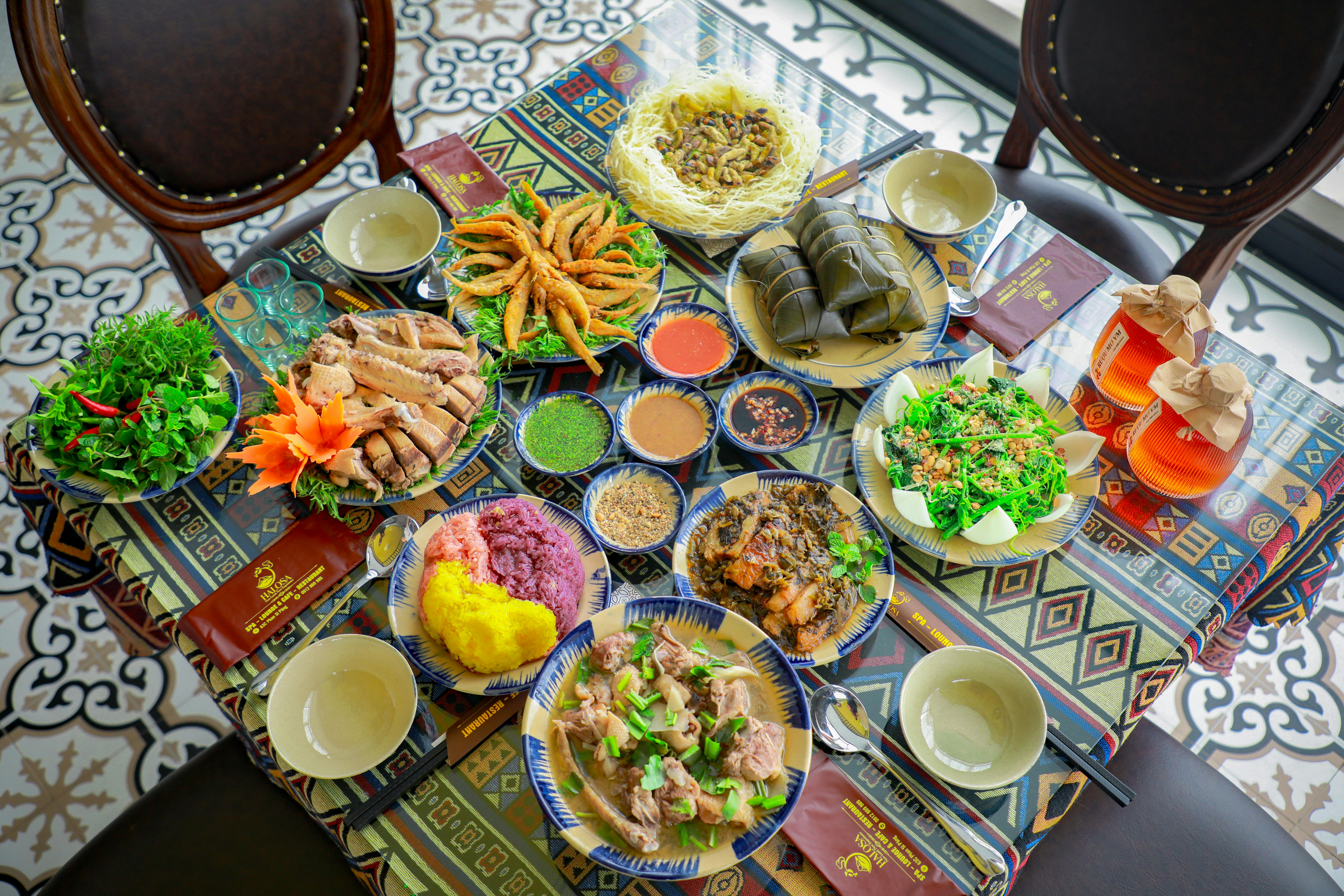
In 2026, culinary travel transcends mere dining. Discover the evolution of food tourism into immersive, sustainable gastronomic adventures. This guide explores the trending bespoke food experiences, ethical travel packages, and how to book your next unforgettable journey, optimizing for conscious choices and authentic cultural immersion.
Introduction to the Topic
Welcome to 2026, where the world on your plate is more than just sustenance – it's a story, a journey, and a profound connection to culture and community. The landscape of food tourism has dramatically evolved, moving beyond Michelin-starred dining and traditional cooking classes to embrace a new era of sustainable culinary travel and truly immersive food experiences. Travelers are no longer content with simply tasting a dish; they crave the narrative behind it, the hands that prepared it, and the land from which it came. This shift towards conscious consumption and authentic engagement is reshaping how we explore the globe, one delicious bite at a time.
At travelwithstyles.com, we've observed a significant surge in demand for journeys that intertwine epicurean delight with ethical responsibility. From tracing the origins of ancient grains in Peruvian highlands to participating in zero-waste cooking workshops in Scandinavian forests, the modern food traveler seeks transformative experiences. This article will be your definitive guide to navigating the most exciting gastronomic adventures of 2026, helping you discover and book the perfect culinary escape that aligns with your values and satisfies your palate.
Backgrounds & Facts
The acceleration of eco-conscious travel and a global re-evaluation of supply chains post-2020 have propelled sustainable gastronomy to the forefront of the travel industry. By 2026, industry reports indicate that 70% of luxury travelers prioritize sustainability, and 65% are willing to pay a premium for authenticated, ethical experiences. This isn't just a trend; it's a fundamental shift in consumer behavior.
Historically, food tourism often focused on high-end restaurants or popular street food markets. While these remain cherished, the current iteration delves deeper. Travelers are now actively seeking:
- Farm-to-Fork Immersion: Visiting organic farms, participating in harvests, and understanding agricultural practices firsthand.
- Indigenous & Heritage Cuisine: Exploring forgotten recipes, traditional cooking methods, and the culinary traditions of local communities.
- Food Waste Innovation: Engaging in workshops and tours that highlight creative solutions to food waste, from root-to-stem cooking to composting initiatives.
- Community-Based Tourism: Directly supporting local economies by dining at family-run establishments, buying from local markets, and participating in cultural exchanges.
The rise of digital platforms for booking bespoke culinary tours and experiential travel packages has also made these niche journeys more accessible. Travelers can now curate highly personalized itineraries, from truffle hunting in Piedmont to artisanal cheese making in rural France, often with transparent information on the environmental and social impact of their choices. This transparency, coupled with a desire for authentic connection, forms the bedrock of 2026's culinary travel landscape.
Expert Opinion / Analysis
We sat down with Dr. Elara Vance, a leading food anthropologist and founder of the 'Global Palate Institute,' to understand the deeper implications of these trends. "What we're witnessing in 2026 is a profound re-sacralization of food," Dr. Vance explains. "Travelers aren't just consumers; they're becoming active participants in the food story. They want to understand the terroir, the history, and the socio-economic context of what they eat. This isn't just about taste; it's about identity and connection."
Chef Marcus Thorne, a pioneer in sustainable fine dining and founder of the 'Zero-Waste Kitchen Collective,' adds, "The future of culinary travel is deeply intertwined with regenerative practices. Guests are asking critical questions: 'Where does this fish come from?' 'Is this coffee ethically sourced?' 'How does my visit benefit the local community?' Tour operators who can answer these questions with integrity and offer genuine, impactful experiences are the ones thriving." Thorne predicts a rise in blockchain-verified food traceability tours, where travelers can use AR apps to scan ingredients and instantly view their journey from farm to plate.
This expert consensus points towards a future where technology enhances authenticity, sustainability drives innovation, and every meal becomes an opportunity for cultural exchange and environmental stewardship. The emphasis is on quality over quantity, depth over breadth, and meaningful engagement over passive observation. For the discerning traveler, 2026 offers unparalleled opportunities to truly eat well and do good.
💰 Best Options in Comparison (VERY IMPORTANT)
Ready to embark on your own sustainable culinary adventure? Here are our top picks for booking unforgettable food experiences in 2026, catering to different preferences and budgets. Each option provides unique avenues for immersive and responsible gastronomic exploration.
-
1. TerraTaste Expeditions: The Bespoke & Eco-Luxury Choice
TerraTaste specializes in highly customized, eco-luxury culinary tours for discerning travelers. They partner with award-winning sustainable farms, exclusive private chefs, and indigenous communities to create unparalleled itineraries. Expect intimate group sizes, private transfers, and a focus on rare, heritage ingredients. Their trips often include hands-on cooking with local families, foraging excursions, and exclusive access to vineyards and artisanal producers committed to regenerative agriculture.
Ideal for: High-net-worth individuals, couples, or small groups seeking personalized, high-end, and deeply ethical culinary experiences.
Booking: Direct via their website or through select luxury travel advisors. Explore their 2026 itineraries and book your bespoke journey at TerraTaste Expeditions.
-
2. Root & Roam Culinary Journeys: Community-Focused & Authentic Immersion
Root & Roam offers a more accessible yet profoundly authentic experience, emphasizing direct community engagement and support for local economies. Their tours focus on off-the-beaten-path destinations, traditional cooking classes with local matriarchs, market visits, and storytelling sessions with food producers. They prioritize fair wages for local partners and donate a portion of their profits to sustainable development projects in host communities. Expect small groups, comfortable local accommodations, and a genuine connection to the culture.
Ideal for: Solo travelers, budget-conscious foodies, and those prioritizing cultural exchange and direct community impact.
Booking: Available on major experiential travel platforms like Root & Roam. Look for their 'Impact Tours' for verified community benefits.
-
3. TasteTrail Global: Tech-Enhanced & Customizable Packages
TasteTrail Global leverages cutting-edge AI to create highly personalized culinary itineraries based on your dietary preferences, interests, and past travel data. While offering a range of pre-designed packages, their strength lies in their 'TasteMatch' algorithm, which suggests unique food experiences, from obscure street food tours to specialized fermentation workshops. They also integrate AR features for food traceability and virtual previews of destinations. They offer a mix of luxury and mid-range options, often bundling flights and accommodations.
Ideal for: Tech-savvy travelers, those with specific dietary needs, and individuals who appreciate a blend of curated experiences and self-guided exploration.
Booking: Directly via their user-friendly platform, TasteTrail Global, which allows for instant customization and booking of comprehensive packages.
Comparison Table: Your 2026 Culinary Travel Options
| Feature | TerraTaste Expeditions | Root & Roam Culinary Journeys | TasteTrail Global |
|---|---|---|---|
| Price Range (Per Person/Week) | $$ (Luxury: $5,000+) | $ (Mid-range: $1,500 - $3,000) | $$ (Variable: $2,500 - $6,000+) |
| Sustainability Focus | High (Regenerative agriculture, exclusive ethical partnerships) | Very High (Community empowerment, fair trade, local impact) | Moderate to High (Eco-certified partners, traceability features) |
| Level of Customization | Full Bespoke Itineraries | Semi-Customizable Modules | AI-Driven Personalization & Package Tweaks |
| Typical Destinations | Europe (Piedmont, Bordeaux), Southeast Asia (Chiang Mai), Latin America (Valle de Guadalupe) | Rural Italy (Puglia), Morocco (Atlas Mountains), Peru (Cusco region) | Global (Major food cities, emerging culinary regions) |
| Unique Selling Proposition | Exclusive access, private chefs, luxury sustainable immersion | Deep cultural immersion, direct community support, authentic local life | AI-powered itinerary matching, AR food traceability, comprehensive packages |
Outlook & Trends
Looking ahead, culinary innovation in travel will continue its rapid ascent. By 2027-2028, we anticipate even more sophisticated integration of technology and sustainability. Imagine holographic menus that showcase the farm origin of every ingredient, or personalized nutrient-dense itineraries based on your genomic profile. The rise of 'foodcations' – entire trips dedicated solely to culinary exploration – will become mainstream, with travelers spending significant portions of their travel budgets on dining and food-related activities.
Further trends include a surge in plant-forward culinary tourism, catering to the growing global vegan and vegetarian populations with innovative and delicious plant-based experiences. We also foresee a greater focus on indigenous food sovereignty, with more tours directly supporting native communities in preserving and sharing their ancestral foodways. Lastly, the concept of 'culinary residencies' where travelers live with and learn from master chefs or food artisans for extended periods will gain traction, offering unparalleled skill development and cultural immersion. The future of food travel is not just about eating; it's about learning, connecting, and transforming.
Conclusion
The year 2026 marks a pivotal moment for culinary travel, transforming it into a conscious, immersive, and deeply rewarding endeavor. As discerning travelers, we now have the power to choose experiences that not only tantalize our taste buds but also contribute positively to the planet and its people. Whether you opt for the bespoke luxury of TerraTaste Expeditions, the authentic community connection of Root & Roam Culinary Journeys, or the tech-enhanced customization of TasteTrail Global, your next gastronomic adventure promises to be more than just a trip—it will be a transformative journey for your palate, your mind, and your soul.
It's time to redefine what it means to eat your way around the world. Embrace these exciting new trends, support sustainable practices, and embark on a culinary journey that leaves a lasting, positive impression. Book your 2026 food adventure today and discover the true taste of responsible travel!