
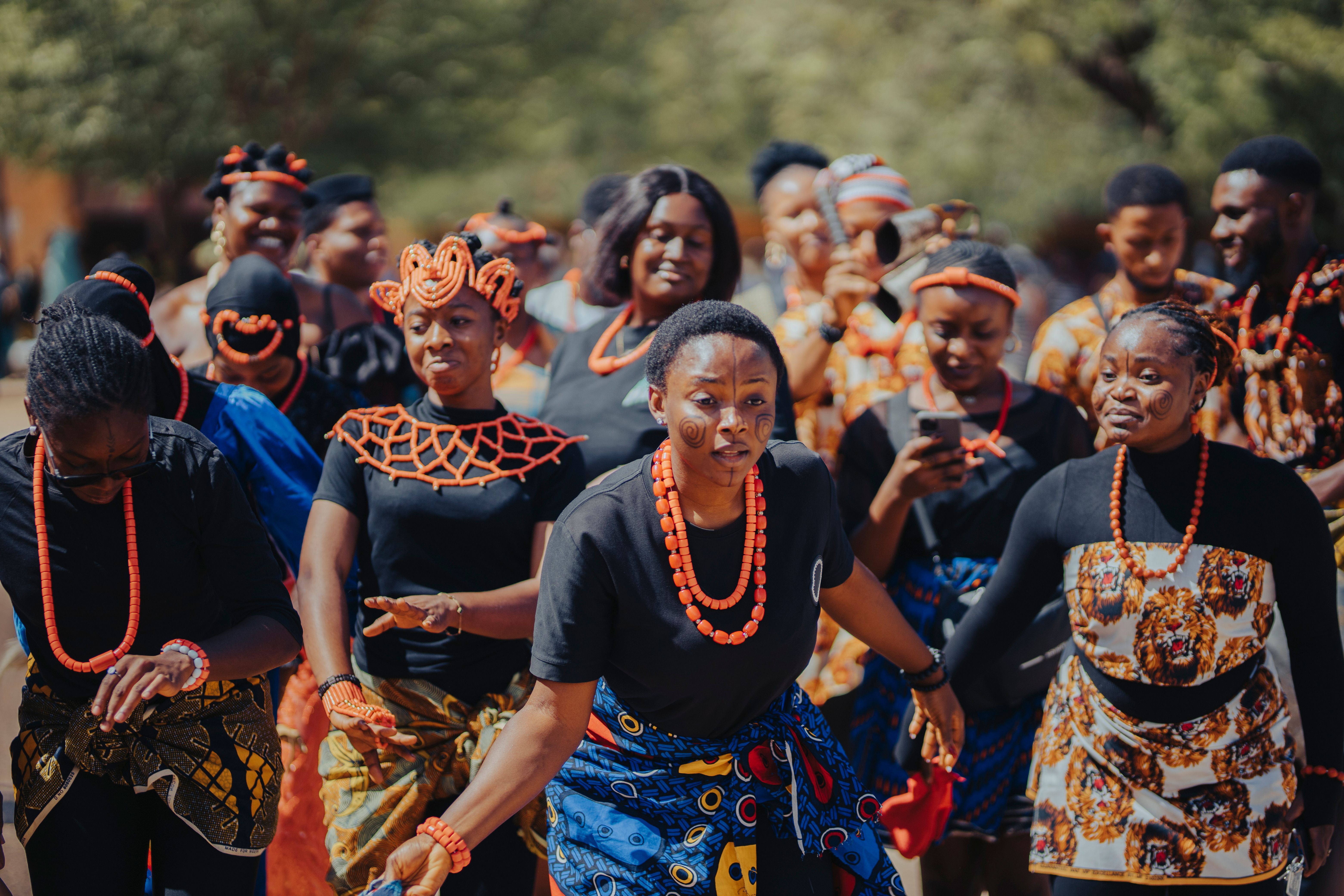
Traditional festivals across very different cultures fall in a small number of periods. The clustering follows the farming year, which for most of history governed when people were free.
Festivals need slack in the labour year
A festival requires time off, food to spare and people gathered in one place. Agricultural societies had all three only at particular moments.
Immediately after harvest, stores were at their fullest and the most demanding work was finished. That window is when celebration was affordable.
Planting and harvest periods themselves are almost empty of festivals, because nobody could be spared from the fields for a day of ceremony.
Surplus made feasting possible and necessary
Much of a harvest could not be stored indefinitely, and animals that could not be fed through winter were slaughtered rather than kept.
Large communal meals were therefore a rational response to a perishable surplus as much as an expression of celebration.
The characteristic foods of autumn festivals reflect this directly: new grain, fresh pressings, and meat that had to be eaten or preserved immediately.
Religious calendars mapped onto existing dates
Established religions frequently placed their observances on dates that already carried seasonal significance, which made adoption easier and preserved the underlying rhythm.
The result is festivals whose religious meaning is clear and whose customs, foods and bonfires derive from something older.
Because of this layering, a single festival can carry two explanations that are both accurate at different depths.
Solstices and equinoxes provided fixed anchors
Before reliable calendars, the observable turning points of the year were the most dependable dates available, and communities scheduled by them.
Midwinter and midsummer festivals appear across unconnected cultures for this reason, marking points that need no astronomy to identify.
Spring festivals sit at the other pivot, when stores were lowest and the return of growth was the event most worth marking.
Urban festivals inherited the calendar without the cause
Cities long ago stopped organising work around harvest, but the festival dates remained fixed and became civic events rather than agricultural ones.
Their content shifted accordingly, toward parades, markets and performance, while the timing stayed where the farming year had put it.
Travellers planning around festivals therefore find them bunched into a few weeks, which is a constraint worth checking against accommodation prices well before booking.