
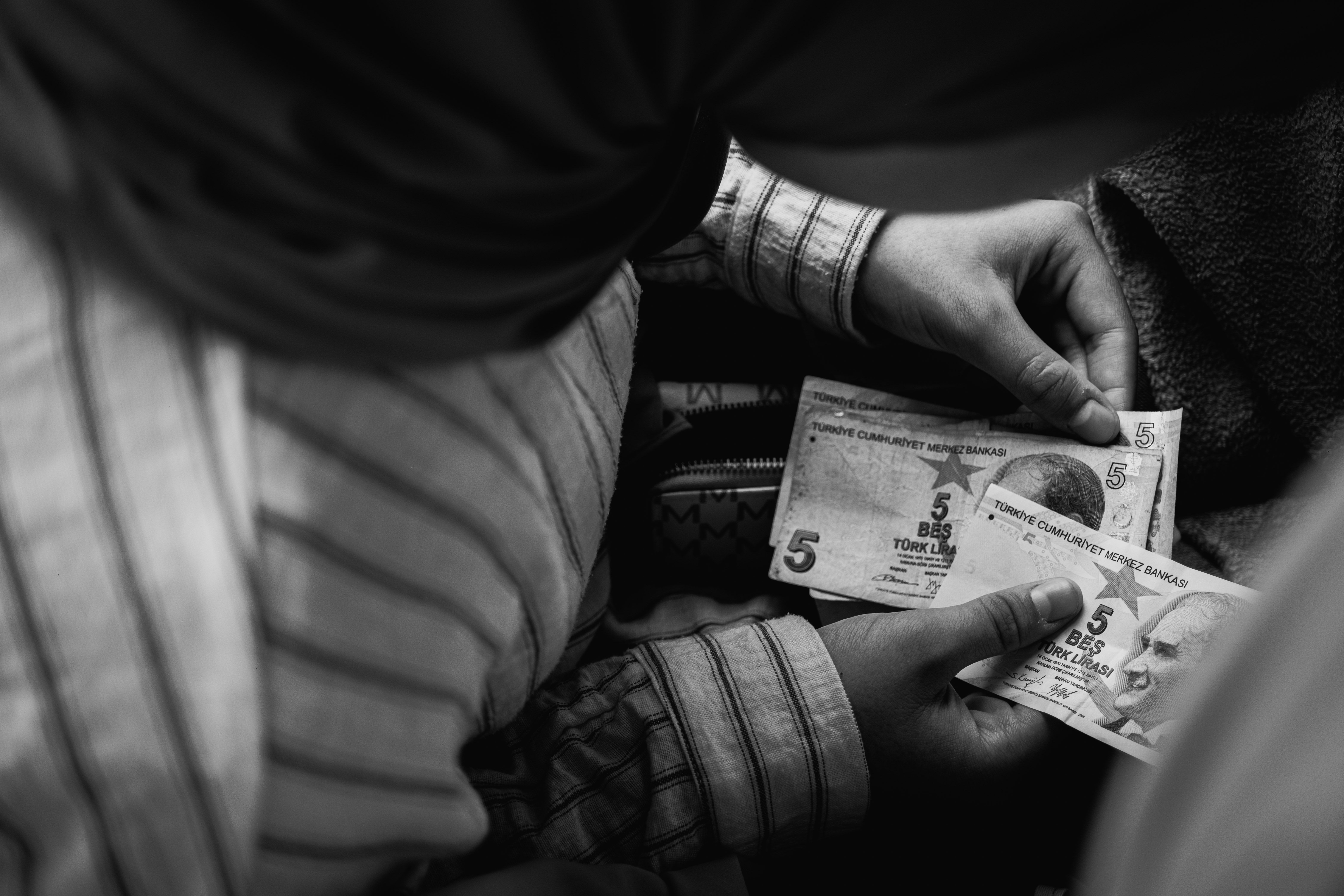
Long-trip budgets account for beds, transport and food and rarely for laundry. Over weeks it becomes a meaningful line, and the price varies enormously with the system a country uses.
Three systems exist and they price very differently
Hotel laundry is charged per item and is the most expensive option by a considerable margin, because it is a personal service rather than a shared facility.
Self-service launderettes charge per machine load, which is cheap per garment but requires finding one, waiting, and spending a couple of hours somewhere nearby.
Service washes, common across much of Asia and parts of southern Europe, charge by weight and sit between the two, usually far closer to the launderette price.
Packing volume drives the frequency
The number of days between washes is set by how many changes of clothes are carried, and every additional day of clothing adds weight to every transfer.
Travellers carrying a week's clothing wash less often and carry more; those carrying four days' worth wash twice as frequently with a much lighter bag on their back.
The lighter approach usually wins on long trips, because the cost of frequent cheap washing is smaller than the cumulative friction of moving a heavy bag.
Fabric choice changes the whole calculation
Quick-drying synthetic and merino garments can be washed in a sink and dried overnight, which removes many laundry stops from a trip entirely.
Cotton in humid climates may not dry indoors within a day, which is why sink washing works well in dry regions and poorly in tropical ones.
A small quantity of travel detergent and a length of line weigh almost nothing and displace a recurring expense, making them among the highest-value items in a bag.
Accommodation type determines what is possible
Hostels and apartments frequently have machines, sometimes free and sometimes coin-operated, and their presence is worth checking before booking anything long.
Hotels rarely offer guest machines and will direct guests to their own paid service instead, which is where the largest overspend on a trip typically occurs.
Planning one apartment or hostel night into a longer hotel-based trip specifically for laundry is a common tactic and an effective one.
Timing matters more than price
Service washes typically need a day, and dropping laundry off on the morning of a departure is the most common way to lose a bag of clothes.
Launderette opening hours are often short and irregular, particularly on Sundays, so the day a traveller intended to use may not be available at all.
Building the wash into a slow day in a place you are staying at least two nights avoids both problems and costs nothing extra.