
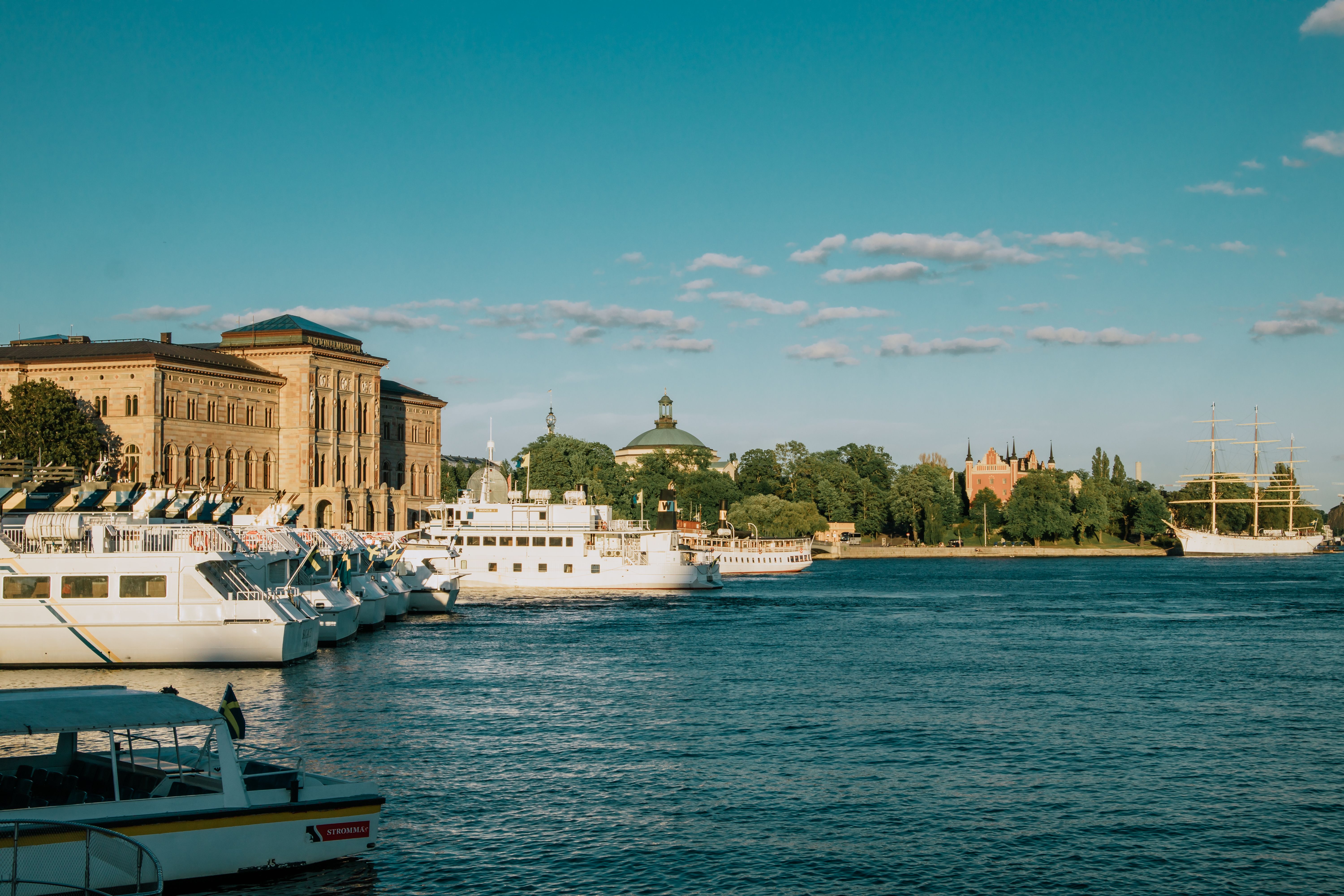
Capitals absorb most of a country's visitors, and second cities absorb most of its industry. The difference in origin produces two genuinely different places to spend a few days.
Capitals are built around administration
A capital accumulates ministries, embassies, national museums and ceremonial space, all of which occupy central land and shape the streets around them.
That produces impressive set pieces and a centre where a substantial share of the ground is institutional rather than lived in.
It also concentrates the national collections, which is why capitals are unmatched for major museums and often unremarkable for everything between them.
Second cities grew around production
Ports, textile towns, steel cities and rail hubs grew because of what they made or moved, and their centres reflect commerce rather than government.
The legacy is warehouses, exchanges, canals and civic buildings funded by local industry rather than the state. Reuse of those structures gives such cities their current character.
Where the original industry declined, cheap space followed, and that is the usual precondition for the music venues, studios and independent food scenes these cities are known for.
Visitor density changes the experience directly
Fewer visitors means restaurants oriented toward residents, prices set by local incomes, and no need to book weeks ahead for ordinary things.
It also means less of the infrastructure built specifically for tourists, which some travellers find liberating and others find inconvenient.
The trade is real: fewer English-language tours and simpler visitor information, in exchange for a city behaving normally while you are in it.
Rivalry produces distinct civic identity
Second cities frequently define themselves against the capital, and that shows in dialect, football, food and a well-rehearsed local account of why the capital gets too much attention.
This identity is usually worn openly and is one of the more interesting things to encounter, because it is offered to visitors rather than hidden from them.
It also produces genuinely separate cultural institutions, since local pride funds orchestras, galleries and festivals that owe nothing to the national programme.
Access is usually easier than expected
Many second cities have their own airports with direct regional connections, and domestic rail links to the capital are typically fast and frequent.
Accommodation costs less at the same standard, and central hotels are more likely to have availability at short notice.
Combining both cities on one trip is generally straightforward, and doing so gives a far more accurate impression of a country than either would alone.